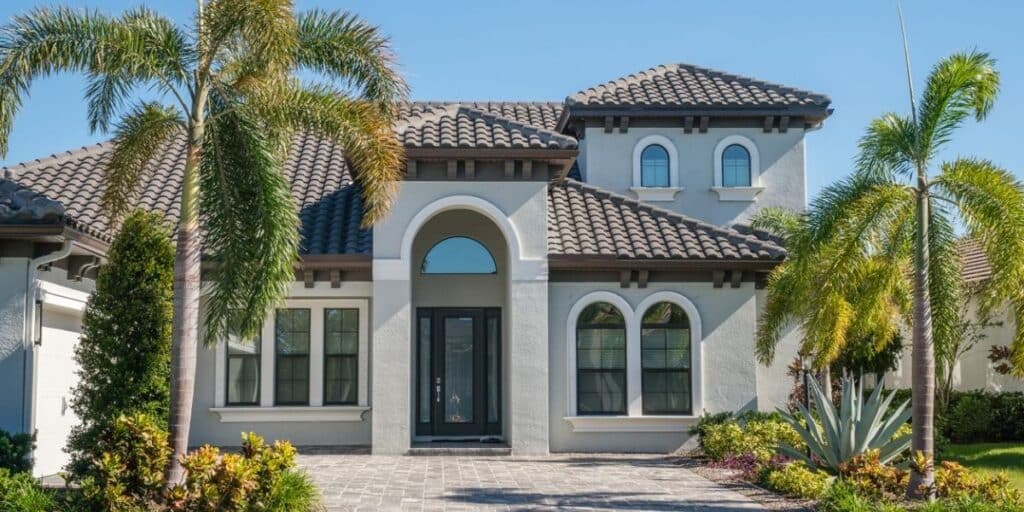
The housing market in 2026 feels very different from the market many Florida homeowners remember from just a few years ago. Homes are still selling, buyers are still active, and Florida remains a popular place to live. But the pace has changed.
During the hottest years of the market, many sellers could list a home and receive offers quickly. Some properties sold in days. Others attracted multiple buyers at once. In many cases, buyers were willing to overlook repairs, waive certain requests, or move fast because competition was so intense.
In 2026, buyers are more careful.
They are looking closely at mortgage payments, insurance costs, repairs, taxes, interest rates, and the full cost of owning a home. That means sellers need to understand the current market before deciding how to price, prepare, or sell their property.
If you own a home in Florida and are thinking about selling, understanding the housing market in 2026 can help you avoid costly delays and choose the selling option that fits your situation best.
Why the Florida Housing Market Feels Different in 2026
The Florida real estate market has cooled from the fast-moving conditions seen in 2020, 2021, and 2022. That does not mean the market is bad. It means sellers need to be more realistic, more prepared, and more flexible than they may have needed to be a few years ago.
During the peak market years, many sellers had a major advantage. There were fewer homes available, buyer demand was high, and many people were trying to move quickly. In some areas, buyers felt pressure to make strong offers right away because they were afraid another buyer would get the home first. That created a market where some sellers could list a home, receive multiple offers, and close without doing much work to the property.
In 2026, the market is more careful and more balanced. Buyers still want homes in Florida, but they are taking more time to make decisions. They are comparing more properties, asking more questions, and thinking harder about the long-term cost of owning a home.
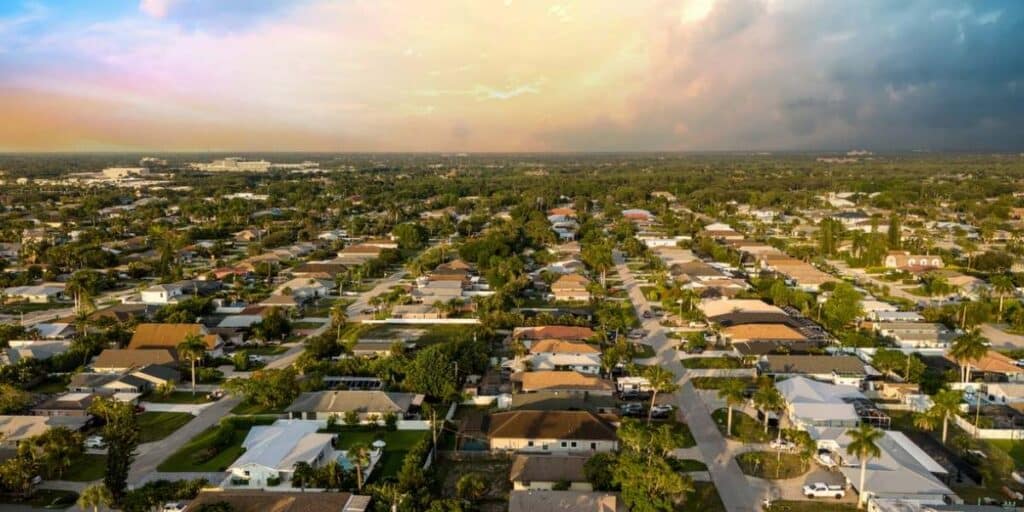
According to the Florida Realtors market reports, inventory levels have increased in many parts of the state, giving buyers more options than they had during the most competitive years. When buyers have more choices, sellers usually have to compete harder for attention.
That competition affects more than the asking price. It also affects how buyers view condition, location, insurance costs, repairs, and overall value.
For sellers, this can feel frustrating.
A home that may have sold quickly a few years ago may now sit longer, especially if it needs repairs, has tenants in place, is priced too high, or comes with insurance concerns. This can be confusing for homeowners who still remember stories of neighbors selling within days or receiving offers above asking price.
The important thing to understand is that today’s buyers are not necessarily uninterested. They are more cautious.
Many buyers are dealing with higher monthly payments because of interest rates, property taxes, insurance costs, and everyday living expenses. Because of that, they are looking at the full cost of owning the home, not just the sale price.
Buyers today are asking questions like:
- How old is the roof?
- Will the home qualify for affordable insurance?
- Does the property need major repairs?
- Are there HOA fees?
- Is the home in a flood zone?
- What will the total monthly payment be?
- Are there other homes nearby in better condition?
- Will the inspection reveal expensive problems?
- Can I afford repairs after closing?
- Is this home worth the risk compared to other available options?
These questions matter because buyers are no longer focused only on the listing price. They are looking at the full cost of ownership.
For example, a buyer may like a house listed at a fair price, but if the roof is near the end of its life, the insurance quote is high, and the home needs updates, the buyer may decide the total cost is too much. Another buyer may make an offer but ask for repairs, credits, or a lower price after the inspection.
This is one reason sellers need to think carefully before listing. A traditional sale may still work well if the home is updated, clean, easy to show, and priced correctly. But if the home has major repair needs, tenants, code issues, or a tight selling timeline, the process may take longer than expected.
Sellers should also understand that more inventory changes buyer psychology. When buyers have fewer options, they may act quickly. When they have more options, they slow down. They may save several listings, schedule multiple showings, compare repair needs, and wait to see if sellers reduce prices.
That can create longer selling timelines.
A home may still be valuable, but it may not create the same urgency it would have created during a hotter market. This is especially true if similar homes nearby are newer, updated, vacant, or easier to finance and insure.
For Florida sellers, the biggest takeaway is simple: the market has not stopped, but the strategy has changed.
You may need to:
- Price based on current comparable sales, not peak market expectations
- Be honest about needed repairs
- Understand how insurance concerns affect buyer decisions
- Prepare for longer timelines
- Be ready for negotiation after inspections
- Consider whether tenants will make showings harder
- Decide whether speed or maximum price matters more
This last point is especially important. Not every seller has the same goal.
Some homeowners want to test the open market and wait for the highest possible offer. Others need a faster and simpler path because they are dealing with foreclosure pressure, an inherited home, a rental property, relocation, or expensive repairs.
In a more cautious market, those personal circumstances matter more.
If you have the time, budget, and flexibility to prepare your home for a traditional sale, listing may still be a good option. But if the home needs work, has tenants in place, or feels difficult to sell through the normal process, it may be worth exploring an alternative such as selling your home as-is without making repairs.
The Florida housing market feels different in 2026 because buyers have more information, more choices, and more financial pressure. Sellers who understand that shift can make better decisions from the start. Instead of assuming the old market rules still apply, they can choose a selling strategy that fits the home, the timeline, and the real conditions buyers are facing today.
Housing Market in 2026: What Is Slowing Down Traditional Sales?
Several factors are shaping the housing market in 2026, especially in Florida. Some of these factors affect buyers. Others affect sellers. Together, they create a market where preparation and flexibility matter more than ever.
Higher Interest Rates Have Changed Buyer Budgets
Mortgage rates continue to play a major role in buyer demand. According to Freddie Mac mortgage rate data, borrowing costs remain much higher than the unusually low rates buyers saw a few years ago.
This matters because higher rates reduce what many buyers can afford.
A buyer who could afford a larger home at a lower interest rate may now need to lower their budget. Even if the purchase price seems fair, the monthly payment may feel too high once insurance, taxes, and fees are added.
For sellers, this means fewer buyers may be able to stretch for a home that needs work.
Insurance Costs Are a Serious Concern in Florida
Florida homeowners and buyers are also paying close attention to insurance. Premiums have increased in many areas, and some buyers are surprised by how much coverage may cost.
This can affect the sale of older homes in a big way.
If a home has an older roof, storm damage, outdated electrical systems, plumbing problems, or flood risk, buyers may worry about both repairs and insurance approval. In some cases, insurance concerns can delay or even derail a sale.
That is why homes that need repairs may face more resistance in 2026 than they did during the peak seller’s market.
Buyers Have More Homes to Choose From
When inventory rises, buyers gain leverage.
Instead of rushing to make an offer, many buyers are comparing multiple homes. If one property needs repairs and another is move-in ready at a similar price, the updated home may get more attention.
This does not mean every home needs to be perfect. But it does mean sellers need to understand how their property compares to other listings nearby.
If your home has issues that make it harder to compete, you may need to adjust your pricing strategy, make repairs, or consider another selling option.
How Is the Housing Market in Florida for Sellers Right Now?
Many homeowners are asking, how is the housing market in Florida for sellers in 2026?
The answer depends on the property.
A clean, updated, well-priced home in a desirable area can still sell successfully. Florida continues to attract buyers because of its weather, lifestyle, job opportunities, and retirement appeal.
But not every property fits that ideal buyer profile.
Homes may take longer to sell if they are:
- Older
- Outdated
- Tenant-occupied
- In need of repairs
- Vacant
- In probate
- Facing code violations
- Located in areas with insurance concerns
- Priced too high for current buyer demand
This is where sellers need to be honest about their goals.
If you have time, money for repairs, and the ability to wait for the right buyer, a traditional listing may still make sense. But if you need speed, certainty, or a simpler process, you may want to explore options like selling your home as-is without making repairs or reviewing how the cash home buying process works.
Why Some Florida Homes Are Sitting Longer
One of the biggest frustrations for sellers in 2026 is watching a home sit on the market with little activity.
Sometimes the listing gets online views but few showings. Other times, buyers tour the home but never make an offer. In some cases, sellers receive offers that are far lower than expected.
There are several common reasons this happens.
The Price Is Too High for the Current Market
Overpricing is one of the fastest ways to lose buyer attention.
In a slower market, buyers are less likely to chase a home that feels overpriced. They can compare your property against similar homes and decide quickly whether the price makes sense.
If your home sits too long, buyers may begin to wonder if something is wrong with it. Even if the only issue is price, the listing can start to feel stale.
That is why pricing correctly from the beginning matters.
The Home Needs Work
Repairs are another major issue in the housing market in 2026.
Many buyers are already dealing with higher mortgage payments and insurance costs. They may not have extra money available for major repairs after closing.
A home that needs a new roof, updated plumbing, HVAC repairs, flooring replacement, mold cleanup, or electrical work may be harder to sell traditionally.
Some sellers choose to complete repairs before listing. Others do not have the time, money, or energy to manage that process. For those homeowners, it may make more sense to sell a house in its current condition instead of investing thousands of dollars before the sale.
Showings Are Complicated
Traditional sales often require showings, open houses, cleaning, staging, and constant preparation.
That can be difficult for any seller, but it becomes even harder if the home is tenant-occupied, vacant, inherited, or in poor condition.
Tenant-occupied homes can be especially challenging. Some tenants do not want showings. Others may not keep the property ready for buyers. In some situations, landlords simply want to sell without waiting for the lease to end.
That is why some property owners look for companies that can buy rental properties with tenants still in place.
How Is the Housing Market in Florida Affecting Landlords?
The question how is the housing market in florida is especially important for landlords.
Owning rental property can be profitable, but it can also become stressful. In 2026, many landlords are dealing with higher insurance costs, maintenance expenses, tenant issues, taxes, and changing market conditions.
Some landlords are asking whether it still makes sense to hold onto a rental property.
Common reasons landlords decide to sell include:
- The property needs too many repairs
- Tenants are behind on rent
- The owner is tired of managing the property
- Insurance costs have increased
- The home is no longer producing enough income
- The owner wants to retire from being a landlord
- The property is part of a larger portfolio that needs to be sold
Selling a rental through a traditional listing can be difficult if the home is occupied. Retail buyers often prefer vacant homes. Investors may make offers, but they may also negotiate heavily if the property needs work or has tenant challenges.
A direct cash sale can be a more practical solution for landlords who want to move on without waiting for the property to be empty.
Why Cash Buyers Are Getting More Attention in 2026
Cash buyers have become more appealing to many homeowners because they remove several common problems from the selling process.
A traditional buyer usually depends on financing. That means the sale can be affected by lender approval, appraisals, inspections, insurance requirements, underwriting, and other delays.
A cash buyer does not need a mortgage lender to approve the purchase. That can make the process faster and more predictable.
For sellers dealing with stress, that matters.
A cash sale may help you avoid:
- Repairs before selling
- Open houses
- Repeated showings
- Appraisal issues
- Buyer financing delays
- Agent commissions
- Long closing timelines
- Last-minute buyer cancellations
This does not mean selling for cash is the right choice for every homeowner. A traditional listing may bring a higher sale price if the home is in good condition and the seller has time to wait.
But if your priority is speed, convenience, or certainty, a cash buyer may be worth considering.
Homeowners who are unfamiliar with this option can start by learning what cash home buyers actually do.
Inherited Homes Can Be Harder to Manage in This Market
Inherited properties are another common reason people look for faster selling options.
Many inherited homes in Florida are older. Some have not been updated in years. Others have deferred maintenance, personal belongings left behind, unpaid bills, or multiple heirs involved in the decision.
That can make selling feel overwhelming.
Families may need to deal with:
- Cleaning out the home
- Repairs
- Property taxes
- Insurance
- Utilities
- Lawn care
- Probate issues
- Long-distance ownership
- Disagreements between heirs
When the market is moving slowly, these problems can become more expensive. A vacant inherited home may still need insurance, maintenance, and security while the family waits for a buyer.
For some families, selling as-is is a way to avoid months of cleanup and repairs.
Foreclosure Risk Makes Timing Even More Important
Some Florida homeowners are also facing financial pressure.
Job changes, rising living costs, medical bills, divorce, higher payments, and other financial challenges can make it difficult to stay current on a mortgage.
If a homeowner falls behind, time becomes very important.
A traditional listing may take longer than expected. Even after accepting an offer, the sale can still be delayed by inspections, appraisals, financing, or negotiations.
For someone facing foreclosure risk, those delays can create more stress.
The Consumer Financial Protection Bureau housing resources recommend that homeowners facing mortgage trouble act early and understand their options before the situation becomes harder to manage.
In some cases, a fast sale can help a homeowner preserve equity and avoid a worse financial outcome.
Buyers Are Looking at the Full Cost of Ownership
One of the most important things sellers need to understand about the housing market in 2026 is that buyers are thinking beyond the purchase price.
They want to know what the home will actually cost each month.
That includes:
- Mortgage payment
- Property taxes
- Insurance
- Flood insurance
- HOA fees
- Utilities
- Repairs
- Maintenance
- Future upgrades
This is why a home with repair needs may face more buyer hesitation.
A buyer may like the property, but if they believe it will need a new roof, updated plumbing, or major repairs soon after closing, they may either offer less or walk away.
This does not mean your home cannot sell. It means you need a strategy that matches the condition of the home and the reality of the market.
What Florida Sellers Can Do to Compete
If you decide to list your home traditionally, there are several ways to improve your chances of success.
Price the Home Realistically
Start with the current market, not what homes sold for two or three years ago.
Look at similar homes that have recently sold, not just homes currently listed. Active listings show what sellers are asking. Closed sales show what buyers are actually paying.
Be Honest About Repairs
If your home needs work, decide whether you want to make repairs before listing or price the home accordingly.
Trying to hide problems usually creates bigger issues later. Inspections often reveal defects, and buyers may request credits, repairs, or price reductions.
Make the Home Easy to Show
Homes that are clean, accessible, and easy to tour usually perform better.
If the home is tenant-occupied, talk with the tenant early about showing expectations. If showings are not realistic, a direct sale may be easier.
Know Your Timeline
Some sellers can wait months for the right buyer. Others cannot.
If you are facing foreclosure, relocation, divorce, landlord burnout, or an inherited property situation, timing may matter more than getting the highest possible market price.
That is not a failure. It is simply a different priority.
When a Traditional Listing May Not Be the Best Fit
A traditional listing can work well for many sellers. But it is not always the best option.
You may want to consider another path if:
- The home needs major repairs
- You cannot afford updates before selling
- The property has tenants in place
- You inherited the home and live out of state
- The house is vacant and costing money
- You are behind on payments
- You want to avoid commissions
- You do not want showings
- You need to close quickly
- You want a simpler process
In these situations, selling directly to a cash buyer may provide more control.
Instead of preparing the home for the market, waiting for buyers, negotiating repairs, and hoping financing works out, you can receive a cash offer and choose whether the timeline makes sense for you.
What Sellers Should Remember About the Housing Market in 2026
The housing market in 2026 rewards sellers who are realistic, informed, and flexible.
This market is not impossible. It is just different.
A successful selling strategy starts with understanding your property, your timeline, and your goals.
If your home is updated, priced well, and easy to insure, a traditional sale may still work well. If your property needs repairs, has tenants, or comes with financial or legal complications, you may need a more practical solution.
The most important thing is to avoid making decisions based on an outdated version of the market.
What worked in 2021 may not work in 2026.
Today’s sellers need to think carefully about price, buyer concerns, repair costs, insurance, and timing.
Final Thoughts on the Housing Market in 2026
The housing market in 2026 is creating a new reality for Florida home sellers. Buyers are still active, but they are more cautious. Inventory has increased in many areas. Insurance and interest rates are affecting affordability. Homes that need repairs or come with complications may take longer to sell through a traditional listing.
That does not mean you are stuck.
If you have time, money for repairs, and a home that fits what buyers want, listing traditionally may still be a good choice. But if you need speed, simplicity, or certainty, it may be worth exploring another option.
Golex Properties helps homeowners sell properties as-is, without repairs, commissions, or hidden fees. If you are dealing with tenants, an inherited home, foreclosure pressure, or a property that feels difficult to sell, you can start by reviewing why homeowners choose to sell directly to Golex Properties and decide if a straightforward cash sale is the right next step.